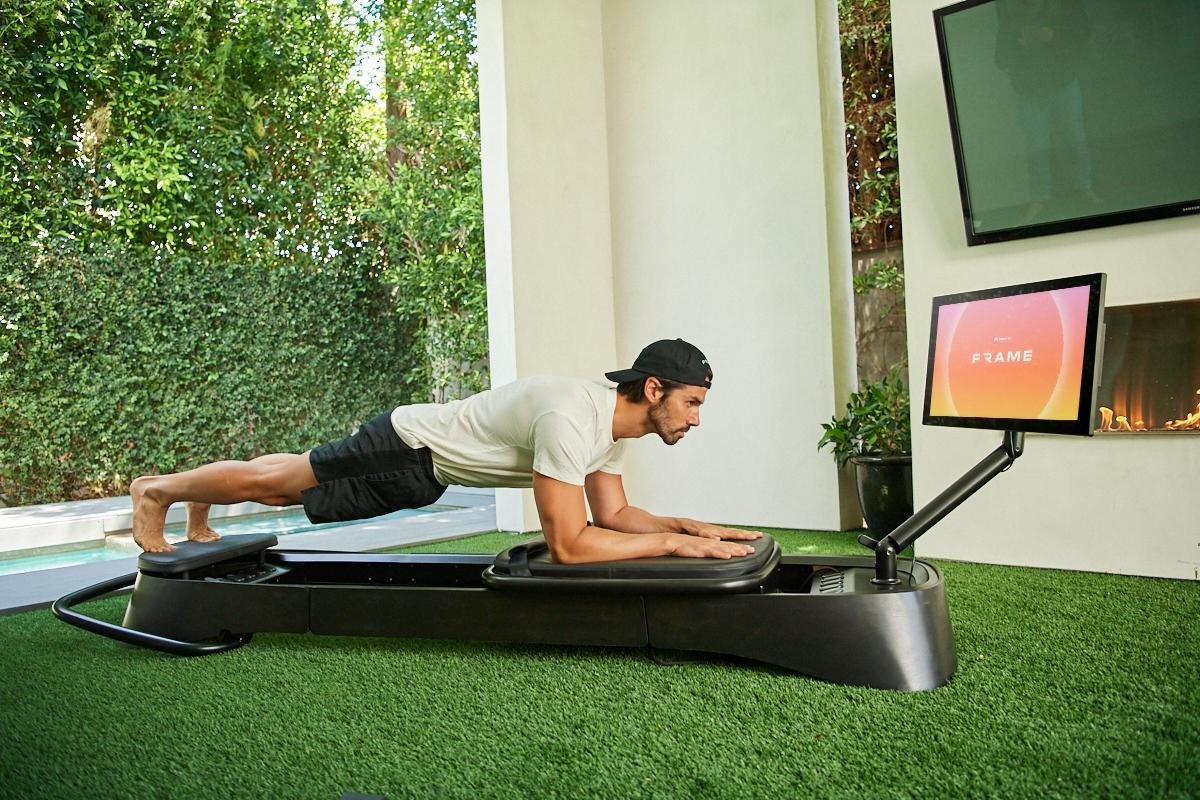

A dedicated workout area can make regular Pilates sessions much easier to manage. You do not need an entire room filled with fitness equipment to create a useful exercise space. A suitable floor, enough room to move safely, good lighting, and a comfortable environment can make a noticeable difference to your routine.
A Pilates reformer needs more room than a simple exercise mat because the carriage moves back and forth and many exercises require your arms and legs to extend beyond the equipment. Planning the area before setting up the machine can help prevent awkward movement and make each session more comfortable.
Your Pilates reformer home setup should also fit naturally into your daily routine. A machine placed in an area that is difficult to access may eventually be used less often. A simple and practical arrangement can make it easier to exercise regularly.
Start With the Available Space
The first step is to look at the room you already have rather than deciding that you need a separate fitness room.
A spare bedroom, living room corner, large bedroom, enclosed balcony, or part of a home office may work well. The main requirement is enough clear space around the reformer for normal movement.
Measure the length and width of the machine and then consider the additional space needed around it. Check the areas where your arms, legs, and body may extend during exercises.
Avoid placing the reformer directly against furniture if it restricts movement. You should be able to get on and off the equipment comfortably without having to move other objects each time you exercise.
Think About the Floor
The surface beneath your reformer deserves attention. A stable floor helps the equipment remain steady during movement.
Hard flooring can work well, but some people prefer placing a suitable exercise mat underneath the machine. A mat can protect the floor and provide a little extra grip.
Carpet can also be suitable depending on its thickness and the design of the reformer. Very soft flooring may affect stability, so check how the machine sits before committing to a permanent position.
Before your first workout, gently test the equipment. Sit on the carriage, move it slowly, and check for unwanted movement. The reformer should remain stable during normal use.
Keep the Area Free From Clutter
A comfortable workout area does not need to look like a professional studio. It simply needs to remain practical.
Keep bags, chairs, boxes, cables, toys, and other household items away from the exercise area. Objects left near the reformer can become obstacles when you move around the machine.
If your workout space is shared with another part of the home, create a simple boundary for the exercise area. Even a clearly defined corner can help you keep the space organized.
Storage baskets or a small shelf can hold accessories such as resistance bands, towels, socks, and other items you use during your sessions.
Consider Natural Light
Lighting can affect how comfortable the room feels during exercise.
Natural light can make a small room feel more open, especially when the reformer occupies a significant portion of the available floor space. If your setup is near a window, make sure curtains or blinds do not interfere with your movement.
Strong direct sunlight may become uncomfortable during certain times of the day. You can adjust the curtains or change your workout time if needed.
If natural light is limited, use comfortable indoor lighting. The room should be bright enough for you to see your equipment clearly without creating glare.
Make the Space Comfortable
Temperature is another simple detail that can affect your workout.
A room that becomes extremely hot can make exercise uncomfortable, while a very cold room may make it harder to settle into your routine. Good airflow can help maintain a pleasant environment.
If you use a fan, place it where it will not interfere with movement. Avoid loose cables around the reformer.
You can also keep a water bottle nearby so you do not need to leave the room during your session.
Choose a Practical Reformer Position
The direction of the reformer can make a difference, particularly in a smaller room.
Before placing the machine permanently, test a few positions. Check whether you can walk around both sides and reach the necessary parts of the equipment without difficulty.
Avoid blocking doors, wardrobes, windows, or frequently used pathways.
If you are setting up a Pilates reformer home workout area in a shared room, consider how the rest of the household uses the space. A location that works well during exercise should not create a daily inconvenience.
Create a Simple Storage System
Pilates equipment can come with several small accessories. Without a storage plan, these items can quickly become scattered around the room.
A small storage unit can hold:
- Resistance bands
- Towels
- Workout socks
- Cleaning supplies
- Pilates accessories
- Water bottles
- Small support cushions
Keep frequently used items close to the reformer. Less frequently used equipment can be stored elsewhere.
The goal is not to fill the room with storage. A small, organized area is usually enough.
Keep Cleaning Supplies Nearby
Regular cleaning is useful when you exercise frequently.
Sweat, dust, and general household dirt can collect on surfaces over time. Wiping the carriage, handles, footbar, and other frequently touched areas can help keep the equipment comfortable to use.
Use cleaning products that are suitable for the materials used on your reformer. Avoid harsh products unless the manufacturer specifically recommends them.
A small cloth and appropriate cleaning solution stored nearby can make maintenance easier.
Make the Space Work for Your Routine
A workout space should match the way you actually exercise.
If you prefer short morning sessions, keep the area easy to access. If you usually exercise in the evening, make sure the lighting is comfortable at that time.
Some people prefer listening to music or following guided sessions. Others enjoy a quiet environment. Arrange the room according to what helps you stay focused.
You might place a phone or tablet stand nearby if you regularly follow video instructions. Make sure the device does not sit in a position where it could fall onto the equipment or interfere with your movement.
Leave Enough Room for Other Exercises
Your reformer may be the main piece of equipment, but you may also want to perform exercises away from it.
A small clear area beside the machine can be useful for stretching, mobility exercises, warmups, or mat based Pilates.
This does not need to be a large section of the room. Even a modest open area can give you more flexibility during your sessions.
Think about the entire workout rather than only the machine itself.
Consider Privacy
Your home workout area should feel comfortable enough for you to concentrate.
If the reformer is positioned in a busy part of the home, interruptions may become frustrating. A quieter room or corner can make sessions more focused.
If you live with other people, it may help to establish a regular time when the space is available for exercise.
Privacy can be particularly useful when following guided Pilates sessions because you can focus on your posture and movement without constantly worrying about people walking through the area.
Use Mirrors Carefully
A mirror can be useful for checking body alignment, but it is not essential.
If you decide to add one, position it where you can see your form without creating a safety issue. A securely mounted mirror is preferable to a large unsecured mirror leaning against a wall.
Do not place a mirror where it could be struck by moving equipment or accessories.
For many people, occasional visual feedback can help them notice posture and alignment. However, comfort and safety should remain the priority.
Avoid Making the Room Too Busy
It can be tempting to decorate a home workout area with lots of equipment, shelves, posters, lights, and accessories.
A simpler space can actually be easier to use.
Too many objects around the reformer may restrict movement and make cleaning more difficult. Start with the equipment you actually use and add items only when they serve a clear purpose.
A comfortable room does not have to look like a commercial studio.
Think About Noise
Noise may matter if you live with family members, roommates, or neighbors.
Some reformer movements are naturally quiet, while other sounds may come from the carriage, springs, or accessories. A stable setup and regular maintenance can help keep unwanted noise under control.
Avoid placing the machine directly against a wall if movement causes it to touch the wall.
If you exercise early in the morning or late at night, consider how sound travels through your home. A suitable floor mat may also help reduce some vibration.
Make Safety Part of the Setup
The workout area should allow you to move without constantly worrying about nearby objects.
Check that:
- The floor is stable
- The reformer is positioned securely
- There is enough clearance around the equipment
- Cables are kept away from walking areas
- Small accessories are stored safely
- Windows and doors do not interfere with movement
- Lighting allows you to see the equipment clearly
Take a few minutes to inspect the area before using the reformer, especially if the room has been used for another purpose since your last workout.
Build a Routine That Feels Easy to Maintain
A comfortable room can support consistency, but the routine itself still needs to fit your schedule.
You might begin with short sessions several times a week instead of trying to spend a long period on the reformer every day.
For example, one session could focus on controlled leg movements, another could include core exercises, and another could concentrate on mobility and stretching.
The exact routine depends on your experience, goals, and physical condition. Beginners may benefit from learning the basic movements and equipment settings before adding more demanding exercises.
Keep the Reformer Ready to Use
One advantage of a home reformer is convenience. You can exercise without travelling to a studio.
That advantage becomes smaller if you have to move furniture or assemble the workout area every time.
If possible, keep the reformer in a position where it is ready for use. If the machine needs to be stored after each session, create a simple process that makes setup quick.
The easier it is to start, the less likely the preparation itself will become a reason to skip a session.
Personalize the Environment
Your Pilates reformer home space should feel like part of your home rather than a temporary arrangement.
You might prefer neutral surroundings, natural light, soft music, or a completely quiet room. Some people like plants or simple artwork, while others prefer an uncluttered space.
There is no single correct design.
Focus on what helps you feel comfortable and allows you to move freely. The purpose of the space is to support your exercise routine, not to recreate a commercial Pilates studio.
Review the Setup After a Few Weeks
Your first arrangement may not be perfect.
After using the reformer for a few weeks, notice what feels inconvenient. Perhaps the machine needs to move slightly away from a wall. Maybe your accessories need better storage. You might discover that the lighting is uncomfortable at a particular time of day.
Small changes can improve the overall experience.
A home workout area should evolve with your routine. You do not need to solve every detail before your first session.
Frequently Asked Questions
How much space do I need for a Pilates reformer at home?
The exact space depends on the dimensions of your reformer and the movements you plan to perform. Measure the machine and leave additional clearance around it for getting on, getting off, and exercising safely.
Can I keep a Pilates reformer in my bedroom?
Yes. A bedroom can work well if there is enough clear floor space and the machine does not block doors, wardrobes, windows, or walking paths.
Do I need a separate room for Pilates?
No. A separate room is not necessary. A suitable section of a bedroom, living room, home office, or another open area can work well.
Should I put a mat under my reformer?
A suitable mat can help protect some flooring and may provide additional grip. Check the stability of the equipment on your particular floor before deciding.
Can I keep my reformer in a small apartment?
A small apartment can work if you have enough room for the reformer and safe movement around it. Measure your available space carefully before purchasing or positioning the equipment.
How can I keep my Pilates workout area organized?
Keep frequently used accessories together, remove unnecessary objects from the workout area, and give the reformer enough clear space for movement. A small storage basket or shelf can be enough for most accessories.
Is natural light necessary for a home Pilates space?
Natural light is not necessary, but it can make the room feel more comfortable. Good artificial lighting is sufficient if your workout area does not have much daylight.
Can I use a reformer in a shared living room?
Yes. You can create a dedicated section of the living room as long as the machine does not interfere with regular household movement and there is enough space around it.
How often should I clean my reformer?
Cleaning frequency depends on how often you use the machine. Wiping frequently touched surfaces after regular sessions and carrying out deeper cleaning periodically can help maintain the equipment.
What makes a Pilates reformer home setup comfortable?
A stable floor, adequate movement space, comfortable temperature, suitable lighting, easy access to accessories, and a clutter free environment can all contribute to a more comfortable setup.
A good home Pilates area does not require a large investment in decoration or a dedicated fitness room. The most useful setup is one that gives you enough room to move, keeps the equipment accessible, and fits naturally into your daily life. A carefully planned Pilates reformer home space can make regular practice feel much simpler because the equipment is ready whenever you are.