
A pendant necklace can add a small but noticeable point of detail to men’s clothing. Unlike a plain chain, a pendant introduces shape, symbolism, texture, or colour near the neckline. That extra element can change how a basic outfit looks without requiring a large collection of accessories.
The range of pendant styles is broad. Some are small and understated, while others use larger geometric shapes, religious symbols, initials, stones, or personalised designs. Choosing the right piece depends on clothing, occasion, necklace length, and the amount of jewellery already being worn.
Mens pendant necklaces offer a versatile way to add personality to an outfit, with different pendant shapes and chain lengths suited to various styles and occasions.
Start With the Pendant Shape
The pendant is usually the most noticeable part of the necklace, so its shape should suit the wearer’s personal style.
Geometric pendants can create a clean appearance. Circular, rectangular, triangular, and bar designs are often easy to combine with simple clothing.
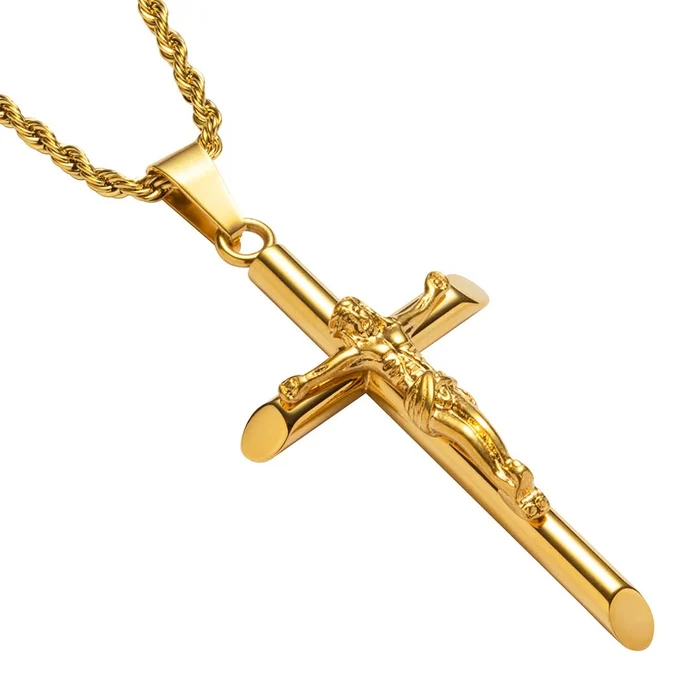
Symbolic pendants carry more personal meaning. Crosses, initials, cultural symbols, and other motifs can represent personal interests or beliefs.
Natural materials such as stones, wood, or shells produce a more relaxed look. Metal pendants tend to work well with sharper, more structured outfits.
The design does not need to be complicated. A simple pendant can be more versatile than an oversized decorative piece.
Match the Necklace Length to the Clothing
Length determines where the pendant rests. Shorter necklaces sit close to the neckline, while longer versions place the pendant further down the chest.
A shorter pendant necklace can work with an open shirt collar or crew-neck T-shirt. A medium-length necklace provides more space and can sit comfortably over casual clothing.
Longer necklaces may suit loose shirts, overshirts, jackets, and layered outfits.
The pendant should have enough space to remain visible. If it repeatedly disappears beneath the collar, choosing a different length may improve the overall appearance.
Use a Plain T-Shirt as a Starting Point
A plain T-shirt provides a simple background for a pendant necklace. Black, white, grey, navy, and other solid colours allow the necklace to stand out without competing with a pattern.
A small pendant can create a subtle detail around the neckline. A larger pendant can become the main focal point of the outfit.
For casual clothing, there is generally no need to coordinate every detail. Jeans, trainers, a watch, and a pendant necklace can create a complete outfit without additional jewellery.
Style It With an Open Shirt
Pendant necklaces can also work with button-down shirts worn casually. Leaving one or two buttons open creates space for the pendant.
The necklace length should correspond to the opening of the shirt. A very short necklace may disappear behind the collar, while an excessively long pendant can fall too far below the opening.
A simple metal pendant works well with a plain shirt. If the shirt has a strong pattern, a smaller pendant can prevent the neckline from becoming visually crowded.
Add Character to Layered Clothing
Pendant necklaces can be useful with layered casual clothing because the pendant can sit over the outer layer.
An open overshirt over a plain T-shirt provides a natural frame for a necklace. A longer pendant can remain visible between the two layers.
Jackets and cardigans can create similar opportunities. The necklace becomes a small focal point within the opening rather than competing with the entire garment.
Consider the Chain and Pendant Together
The chain should support the pendant visually. A heavy pendant attached to a very thin chain can look disproportionate, while a small pendant may disappear against a thick chain.
The metal colours should also be considered. Matching the chain and pendant creates a coordinated appearance, while contrasting materials can introduce more visual interest.
The chain pattern matters as well. A simple chain often lets a detailed pendant receive most of the attention. A highly textured chain may compete with a pendant that already contains intricate details.
Coordinate With Other Accessories
A pendant necklace does not need to match every item being worn, but balance helps.
If the necklace is substantial, a simple watch and one or two understated rings may be enough. Several large accessories can make the outfit feel crowded.
Metal colour can be repeated elsewhere. A silver pendant can relate to a silver watch, while a gold pendant can work alongside a gold-toned ring or bracelet.
This does not mean every accessory must be identical. Small connections between pieces can make the outfit look considered.
Choose Jewellery for the Occasion
Pendant necklaces can be adapted for different settings.
For everyday wear, a small or medium pendant is easy to pair with casual clothing. For social occasions, a more distinctive pendant can provide additional character.
Work environments may call for greater restraint, particularly where dress codes are conservative. A small pendant worn beneath an open collar can provide a personal touch without becoming the most noticeable part of the outfit.
Formal events require careful consideration. A discreet pendant may work with certain modern dress styles, while traditional formalwear often benefits from minimal visible jewellery.
Personal Meaning Can Matter
Many men choose pendants for reasons beyond appearance. A pendant may represent a hobby, family connection, cultural background, personal belief, or memorable experience.
Personal meaning can make a piece more valuable to its owner even if the design is simple.
Initial pendants and personalised shapes are particularly useful for creating jewellery that feels individual rather than selected purely for fashion.
Keep Proportions Consistent
Body proportions, clothing fit, and jewellery size should be considered together.
A large pendant can look balanced with a substantial frame and heavier clothing, while a smaller pendant may suit a slimmer silhouette and fitted garments.
This is not a strict rule. Personal style allows plenty of variation. The useful principle is to consider how much visual space the necklace occupies compared with the rest of the outfit.
A pendant necklace can provide the final detail that gives a simple outfit more character. The right chain length, pendant size, metal, and clothing combination allow the jewellery to remain noticeable without taking over the entire look. Choosing pieces that reflect personal taste also makes them easier to wear regularly rather than reserving them for occasional outfits.