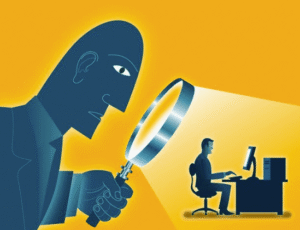

Privacy in digital identity systems centers on user control and minimal data exposure. Systems should favor data minimization, consent-based workflows, and least-privilege access to reduce risk. Verifiable credentials enable selective disclosure and independent validation, limiting full identity exposure. Threat modeling and auditable data flows support accountability and decoupled use. Transparent governance and strict data controls reinforce privacy-by-default, yet the balance with reliable verification remains a careful design choice worth closer scrutiny. The implications for individuals are consequential and ongoing.
What Privacy Means in Digital Identity Systems
Privacy in digital identity systems centers on protecting individuals’ control over their personal information while enabling necessary verification.
The discussion frames privacy expectations as a baseline for trustworthy systems, emphasizing minimal disclosure and principled risk assessment.
Detachment highlights threat modeling: data flows should be bound, verifiable, and reversible only with consent.
Identity portability must respect user sovereignty and preserve security without overexposure.
How Data Minimization and Access Controls Protect You
Minimizing data collection and enforcing strict access controls are core protections in digital identity systems, reducing exposure without hindering essential verification.
The approach emphasizes privacy by default and consent centric workflows, limiting data to necessity and context.
Threat models show reduced risk from breaches, misuse, and unnecessary dissemination.
Detachment preserves user autonomy while enabling accountable, auditable, least-privilege access controls.
Verifiable Credentials and Privacy-Preserving Trust
Verifiable credentials offer authenticated attestations that can be independently validated without revealing the entire identity, enabling selective disclosure and privacy-preserving trust. This approach emphasizes minimal data exposure, reducing exposure to privacy breaches and mitigating identity sprawl.
Auditing, Governance, and Policy Implications for Individuals
The frame emphasizes privacy governance with transparent accountability, enforcing data minimization and robust access controls.
Verifiable credentials enable private provenance and user control, while fostering personal accountability.
Threat models stress least-privilege, auditable trails, and decoupled data use for freedom-respecting resilience.
Frequently Asked Questions
How Can I Verify My Privacy Rights Across Platforms?
They can pursue privacy-preserving, cross platform verification with strong consent management, ensure data minimization at every step, and demand transparent data flows; this approach reduces exposure while safeguarding individuals’ freedom to manage their own identities.
What Are Common Hidden Data Practices in Identity Apps?
Ironically, identity apps boast privacy while exposing hidden telemetry and opaque consent practices, revealing common hidden data practices. They threat-model and minimize data, yet still reveal identifiers; the freedom-seeking audience should demand disclosure, data minimization, and transparent baselines.
How Do Biometric Data and Anonymity Coexist in Systems?
Biometric privacy can be achieved when biometric data is processed locally, stored anonymously, and used only for authentication, with privacy-preserving cryptography; anonymity coexisting through minimized data exposure, decoupled identifiers, and threat-modeling that prioritizes user freedom.
Can I Opt Out Without Losing Essential Services?
One study finds 72% prefer control over personal data; yes, opting out can be possible. The system should offer opt out guarantees and service continuity, emphasizing privacy-preserving, threat-modeling, data-minimization approaches for freedom-seeking users.
See also: Privacy Concerns in Social Media
What Practical Steps Protect My Privacy During Onboarding?
During onboarding, one should leverage privacy controls and insist on data minimization, limiting collection to essential attributes; use pseudonyms where feasible, request transparent data handling policies, and prefer systems with audit trails, local processing, and strong access controls.
Conclusion
Privacy in digital identity hinges on minimizing data exposure while preserving verifiability. By constraining disclosures to what is strictly necessary and enforcing least-privilege access, systems reduce risk without weakening trust. An interesting statistic underscores impact: studies show that 70% of data breaches involve weak or misused personal data, not novel exploits. This highlights the value of threat-modeling, data minimization, and verifiable credentials in creating privacy-preserving identities that still support robust verification.